Wall insulation in Missoula MT - warmer rooms, walls checked before they're filled
Rooms that feel cold along the outside walls? We check the walls for moisture, then fill them so the house holds its heat.
Can you insulate the walls of an older Missoula house without tearing them out?
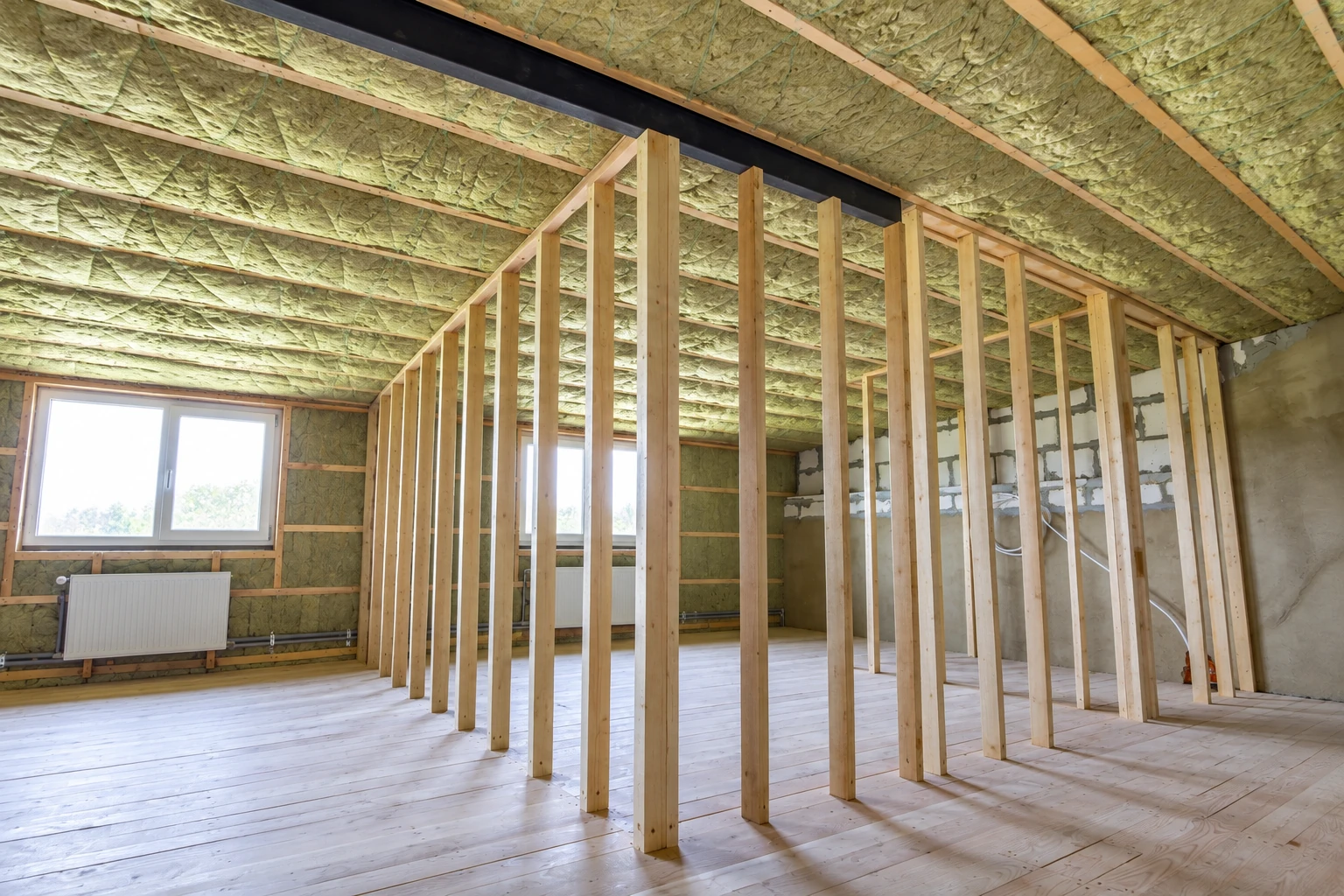
Yes, in most houses. Wall insulation in Missoula usually means filling the hollow spaces inside your existing walls by blowing dense-pack insulation, loose fill packed in firm so it stays put, through small holes. It suits houses with too little in the walls, where you want the work to disturb your home as little as possible.
Most wall calls I get come from older houses where the outside walls feel cold to the touch, the furnace runs all winter and the power bill keeps climbing. The price mostly turns on how many walls we're filling and how big they are, whether we work from inside or outside, and whether anything has to be fixed first, like wet sheathing or a soft window frame. The schedule turns on those same repairs, on any permit and on whether you're folding the insulation into a siding job, and your written estimate explains each step for your house and why it's there.
- Licensed and fully insured.
- Free in-person estimates.
- Replies within 1 business day.
Wall insulation and the work around it
How we handle wall insulation, start to finish
First I walk the house with you and we talk through the three ways in, from inside through the drywall, from outside through the siding, or folded into new siding if you're already planning it. Before any wall gets filled, we check it for moisture or damage, looking at the siding, the sheathing behind it, the framing around windows and doors and the inside walls, because insulation packed against a wet wall just hides the rot. If we find a problem, it gets fixed first, and you hear about it early enough to plan the time and money for it. Then we drill small holes between the studs, pack each cavity full, plug and patch the holes and clean up, and my framing years tell me where the blocking usually sits inside a wall so no cavity gets left half full. We back that work with the same promise we make on every job. Your satisfaction, guaranteed.
Walls are rarely the only cold spot. Insulation slows heat but does little against air pushing through gaps, so I often pair walls with air sealing services, closing the gaps around outlets, window trim and the sill where air slips in. If the floors upstairs stay cold after the walls are done, the basement is usually the next place to look, and our basement insulation work takes care of the rim joists and foundation walls down there.
Why Missoula homeowners call Summit Missoula Spray Foam Insulation for wall insulation
I come out to every job
I look at each job myself before we price it, and I work alongside our crew on the install. The person who checked your walls is the one standing there when we drill them, so nothing gets lost between the estimate and the work.
Framing years before insulation
I spent years framing houses and learned this trade under an established installer before we started our own company in 2023. Knowing how a wall goes together tells me where trouble usually hides before we open anything up.
Licensed and fully insured crew
We're licensed and fully insured for the work we do in your house. That counts for more on walls than on most jobs, because we're drilling into the outer shell of your home.
Permits checked for your address
We work in Missoula, Orchard Homes and the cities around them, inside and outside city limits, so we check with the City of Missoula or the Missoula County Building Division, whichever covers your address, tell you what they say and take care of any permit the work needs before we start. Inside city limits the city wants a permit for remodeling and siding, which matters if your insulation rides along with new siding, and since its list doesn't name every kind of job, it asks you to call its building office at 406-552-6630 before any work begins.
With walls, what matters most is knowing what's behind them before anything gets filled. Send us a request or call (406) 317-4027 and I'll come take a look.
Get a free on-site estimate for your walls
Send this and we'll get back to you within one business day to set a time for me to come out. You get a free written estimate after I look at your walls, with no obligation.
- Licensed and fully insured.
- Free in-person estimates.
- Replies within 1 business day.
What happens after you call us about your walls?
Call or send a request
Call (406) 317-4027 or send the form, and we'll get back to you to set a time for me to come out. It helps to have your home's age, any siding plans and whether you're inside city limits handy.
Walk the walls together
I go through the house with you, look for signs of moisture and talk through inside, outside or with new siding. Then you get a written estimate that explains each step and why it's there, including any repair that has to come first, so the full cost is in front of you before you decide.
Fix first, then fill
We take care of anything that has to come first, including any permit, then seal, fill and patch the walls. If a wall needs repair, it's done before a single cavity gets packed.
Clean up and walk through
We clean up and walk through the finished walls with you. Ask me anything on that walk, because I'd rather you understand your house than just take my word for it.
Wall insulation questions from Missoula homeowners
What is the best way to insulate existing walls, from inside or outside?
From inside, if your siding is sound and you're not replacing it, because blowing from outside breaks the drainage plane, the water layer behind your siding, and that layer then has to be patched or replaced. The right call depends on how easy each wall is to reach and what shape that layer is in. Ask any installer which way they'll go and how they'll patch any break, and I'll walk you through it on site.
When is the best time to insulate the walls of a house?
When you're re-siding, because with the old siding off the house wrap can be checked or redone and rigid foam boards can go on the outside, along with the cavity fill or instead of it. Foam outside makes one unbroken layer over the framing, and paired with cavity insulation it can be one of the more efficient walls there is. The catch is that the wall dries less to the outside afterward, so it needs to be able to dry toward the inside.
How much does wall insulation cost in Missoula?
Dense-pack cellulose, shredded paper insulation packed tight, blown into existing walls in Missoula usually runs about $2,500 to $3,300 for a typical 1,000-square-foot job. That's the going rate around here, not a quote, and your price moves with how many walls get filled, how we get into them and whether anything needs repair first. The estimate is how you get your own number.
Who is allowed to insulate walls in Montana?
Montana now requires every construction contractor to be licensed with the Montana Department of Labor & Industry. Ask whoever you're considering whether they are before anyone drills into your walls.
Do I need to worry about lead paint when insulating walls in an older Missoula house?
If your house was built before 1980, it's worth asking about, because federal energy guidance says to be aware of lead safety rules whenever the work disturbs those walls. Ask any crew how they follow those rules, and if your house is that age, I'll go over it with you at the estimate.
How do I keep dust out of the house when walls are insulated from inside?
The floor below the work gets covered and the area gets closed off, which is what the Department of Energy's job guide calls for when walls are filled from inside. We'll talk through which rooms we're working in and what to move ahead of time, so the day goes smoothly for you.
Where else we do insulation work
Work that goes with wall insulation
Air sealing services
Filled walls can still leak air at outlets, window trim and the sill, and sealing those gaps keeps the new insulation from fighting a steady draft.
Basement insulation
If your floors stay cold after the walls are done, heat is often slipping out below, and insulating the basement closes that last big gap.